

Reproduced & Unoriginal Content
As a creator, you must ensure all e-commerce content posted on TikTok Shop comply with TikTok Shop Platform Policies and Community Guidelines.Note: The content below is for guidance only. TikTok Shop reserves the right to enforce any content it considers to be inappropriate for any reason.⏱️ Reading Time: 5-6 mins
Why does TikTok Shop prohibit Reproduced Content?
We prohibit creators from posting reproduced content to ensure an engaging viewing experience for users and to protect the intellectual property rights of others, in line with the TikTok Shop Content Policy.What is considered 'Unoriginal' and 'Reproduced Content'?
The rule depends on the content format:- Livestreams → Reproduced Content
- Short videos → Unoriginal Content
Reproduced Content (Livestreams)
Livestreams must be real-time and original, created by or featuring the creator.Reproduced Content includes (but is not limited to):
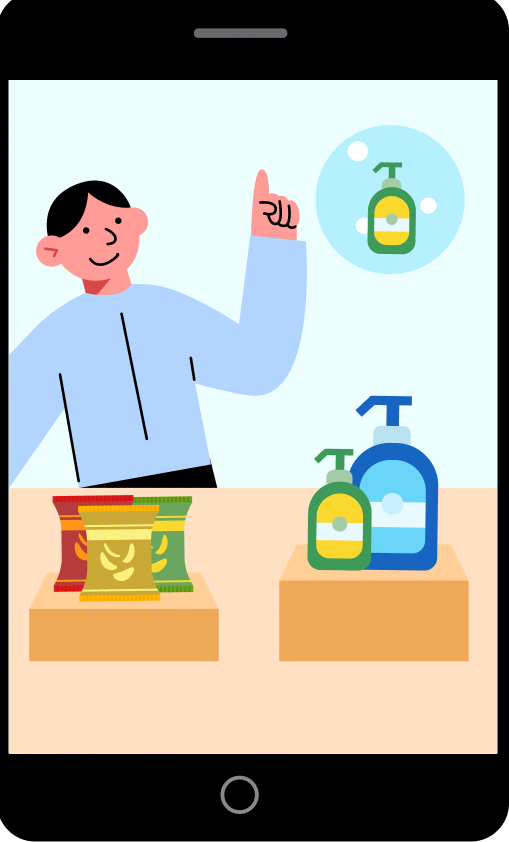
- Playing pre-recorded livestreams or videos (whether created by you or others)
- Playing pre-recorded audio to promote products
- Broadcasting third-party media such as movies, TV programmes, or music videos
Unoriginal Content (Short Videos)
Unoriginal Content refers to short videos that reuse or republish existing content.This includes (but is not limited to):
- Uploading content from other creators without permission
- Uploading content sourced from the internet, including other platforms, TV shows, or films
Format | What's Not Allowed? | Why? | Violation Type |
| Livestreams | Any pre-recorded content (even your own) | Livestreams must be live and in real time | Reproduced Content |
| Short videos | Using someone else’s content without rights | Short videos must be your own content | Unoriginal Content |
How do I avoid Posting Reproduced Content in Livestreams?
- During livestreams, you should actively engage with your audience while delivering original and creative content.
- Do not use copyrighted material content such as films, TV shows, sports matches, music videos and concerts
- Do not use content from other creators.
- Do not use pre-recorded content. This applies to all users, even if you created the content. Additionally, uploading the same pre-recorded content on multiple accounts is also prohibited.
- Do not play content from other devices
- Do not pre-record your livestreams or insert any pre-recorded clips in your livestreams.
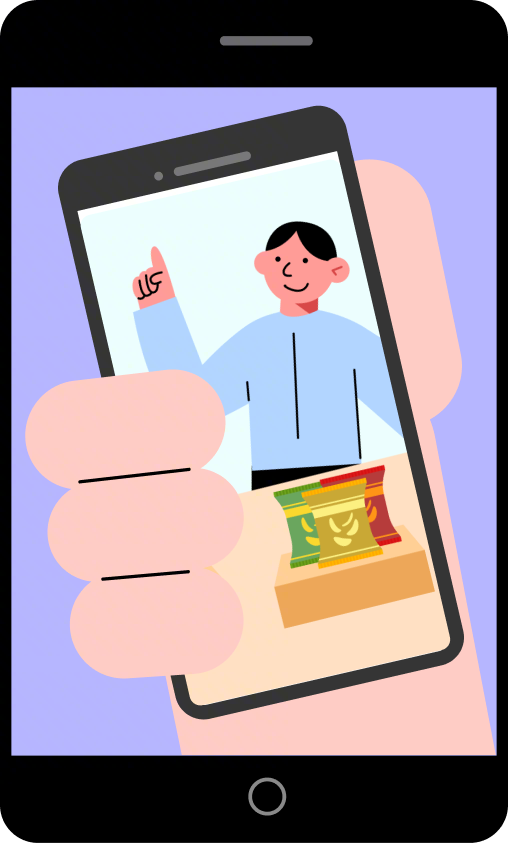
- Do not use screen recordings or recordings of an electronic device screen as part of your livestreams
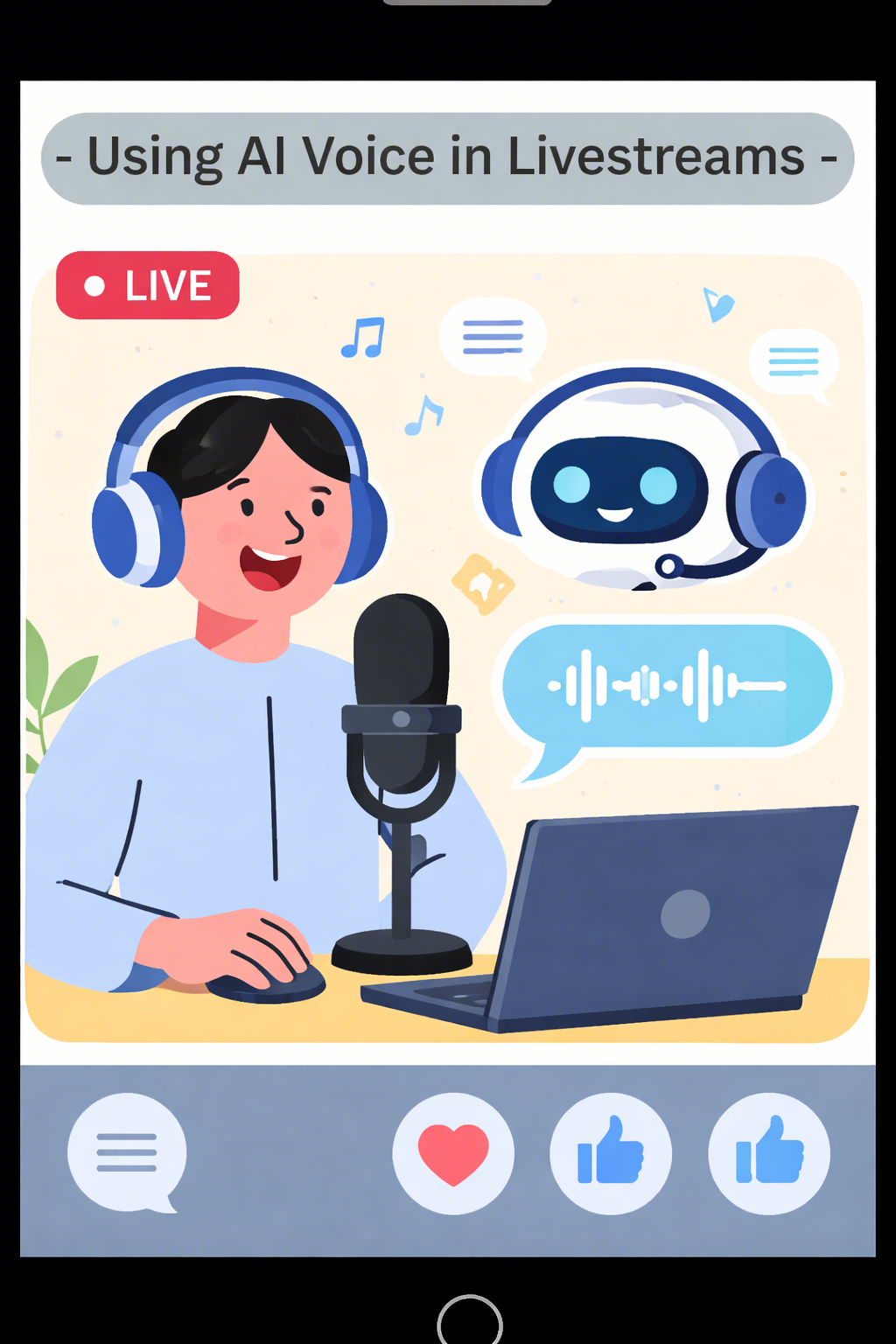
- Do not use AI-generated audio or voiceover narrations in your livestreams.
- Do not switch between livestreaming and playback of pre-recorded clips.
- Creators are not encouraged to repost their own content. Once you've posted a TikTok video or Livestream recording, do not upload the same content again. Reusing the same material may be seen as repetitive and does not add additional value to your viewers.
What are some examples of Reproduced Content in Livestreams?
Here are some non-exhaustive examples of reproduced content in Livestreams:Reproduced Content | Example | |
|  Original Content | 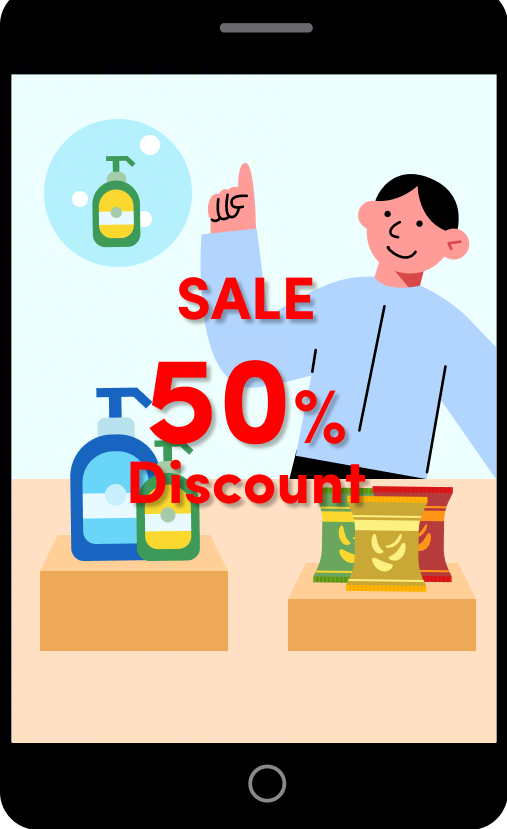 Minor Alterations to Content |
|  | |
|  | |
How do I avoid Posting Unoriginal Content in Short Videos?
- When uploading short videos, you can only share content (photos, video, and audio) you have captured or have the right to use. Remember to avoid:
- Using content from other creators or platforms and only making a few creative modifications.
- Using content that potentially infringes copyright laws and regulations. Examples of such content may include films, TV shows, sports matches, music videos and concerts.
- Stitching a product review video without any new commentary.
- Using the stitch and duet function without providing any verbal or in-text promotion of the product.
- Uploading screen recordings from a movie or TV show and blurring the original logo or watermark.
- Recreating a video that directly mirrors the actions of another creator's content.
- Merging content that is not your own without permission with your personal original content.
- Using AI-generated content that results in duplicate or highly similar videos to other creators (e.g. using the same AI tool, prompt, avatar, or template). Even if the content is generated independently, creators are responsible for ensuring their content is original and does not replicate existing content on the platform.
What are some examples of Unoriginal Content in Short Videos?
Unoriginal Content | Example | |
| 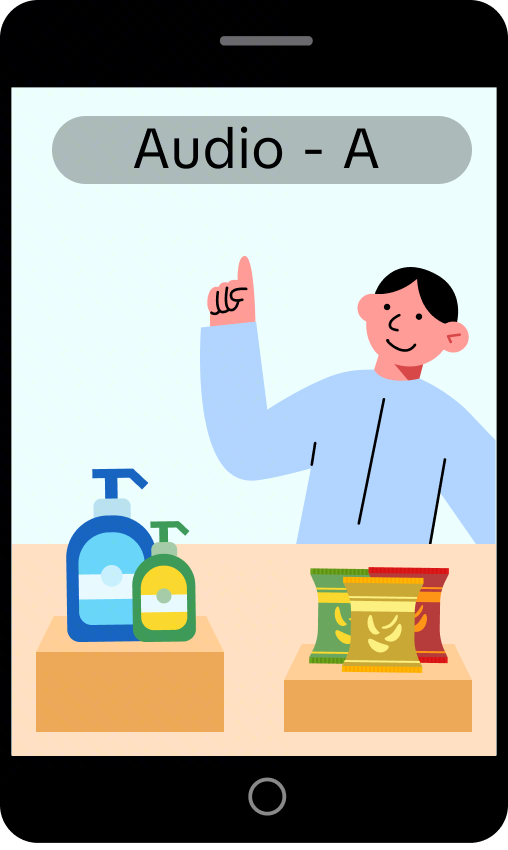 Original Content | 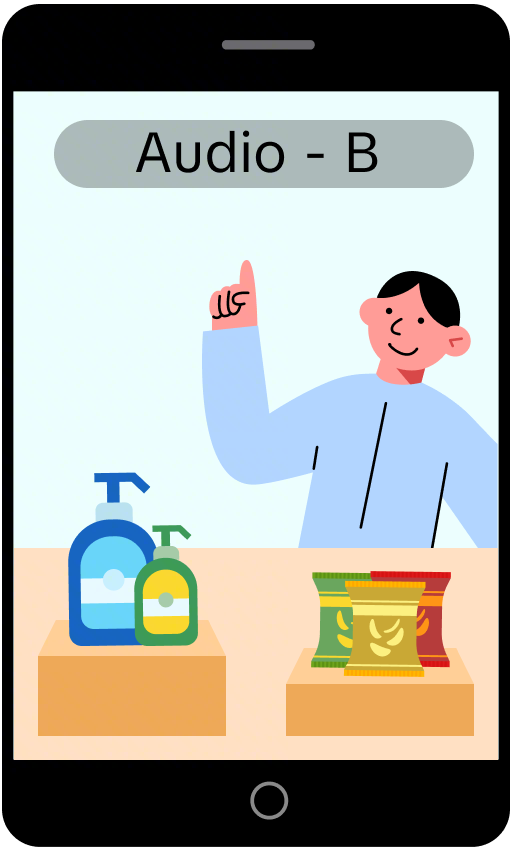 Minor Alterations to Content |
| 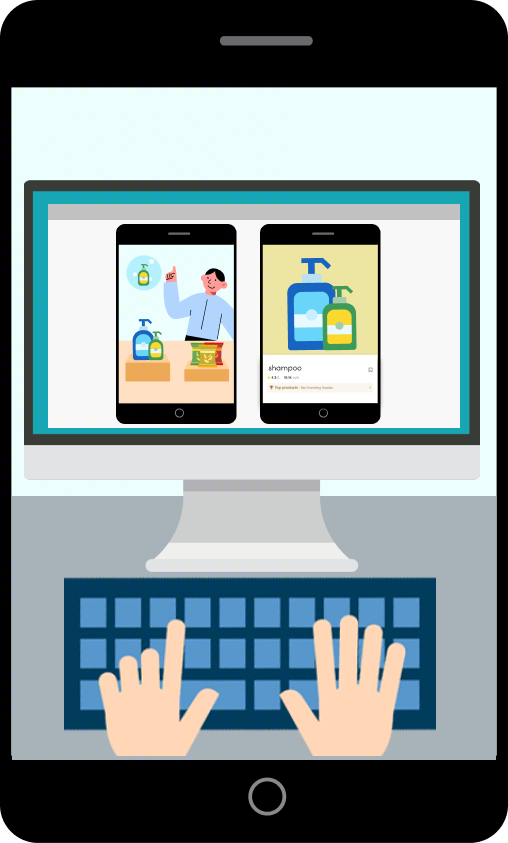 | |
| 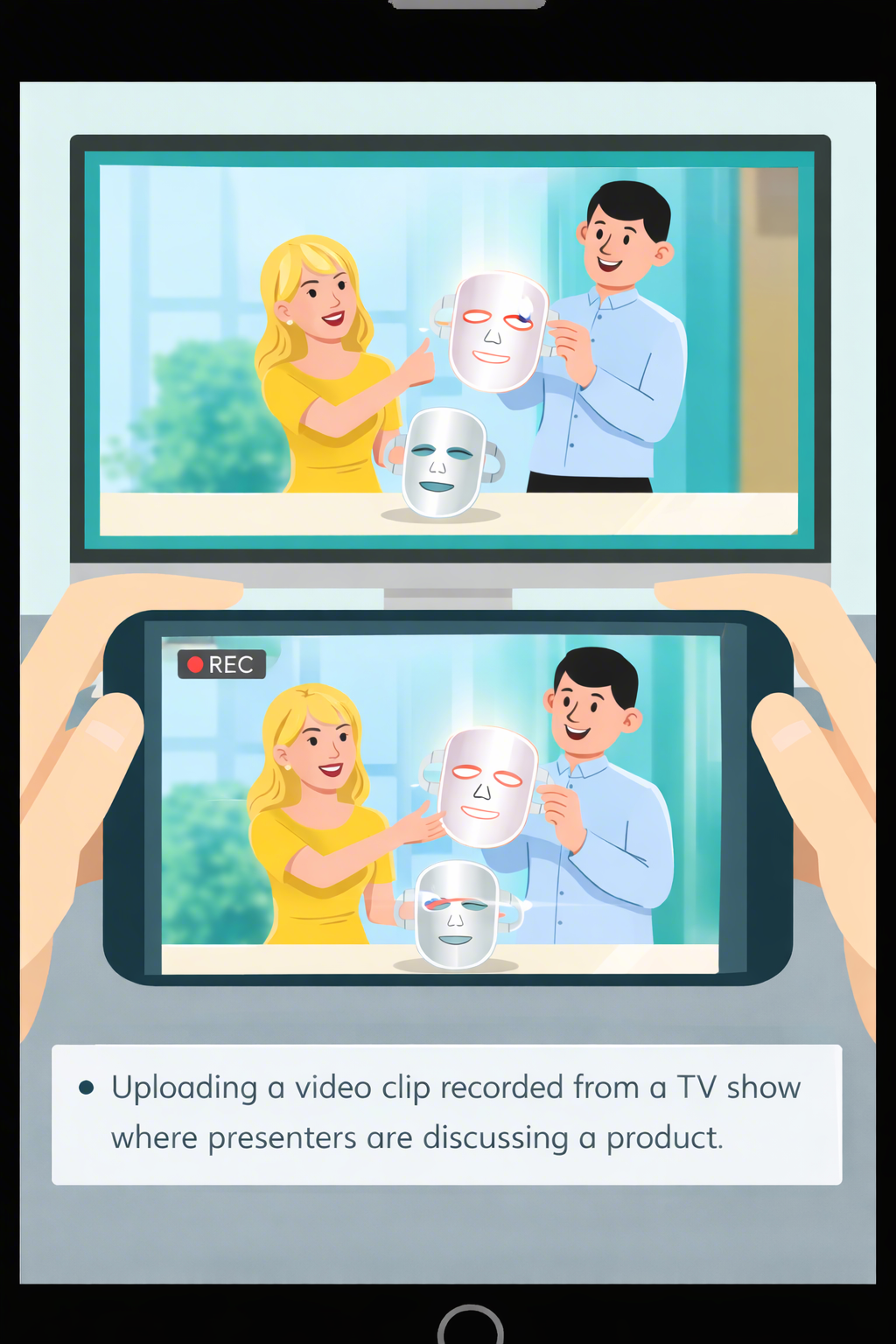 | |
Duet & Stitch Feature
Content created using the duet and stitch feature is exempt from this policy, provided that it meets all of the following conditions:✅ The content includes meaningful creative modification, such as added commentary, reactions, or transformative elements.
✅ The creator adds original input (e.g., verbal, visual, or in-text contribution) that changes the context or interpretation of the original content.
✅ The content is not a direct repost and demonstrates clear creator involvement.
Violative examples:❌ Stitching a product review video without any new commentary.
❌ Using the duet or stitch function without adding any verbal, visual, or in-text contribution.
❌ Pure reactions (e.g. Nodding, pointing of facial expressions) without any verbal input
📍Read more about how to use the Duet & Stitch feature here
What happens if I upload Reproduced or Unoriginal Content?
- We may take the following enforcement actions, in accordance with our TikTok Shop UK Creator Performance Evaluation Policy:
- Formal warning messages
- Removing the product from the platform
- Removing or blocking content
- Temporary or permanent suspension of creator/seller privileges and benefits
- Freezing of a creator's commissions permanently
- Reporting the creator/seller to the relevant regulatory authorities
How Can I Appeal?
If you believe your content was incorrectly enforced, you can appeal by providing evidence that the content is original.📍You can read more about how to appeal Reproduced and Unoriginal Content violations here Appeal Guidelines for Creators.